
Learn About Our Classes
Retirement decisions feel big because they are big. Our job is to walk you through the moving parts – income, taxes, Social Security, investments, and healthcare – in a classroom setting where you can think, take notes, and ask questions without anyone trying to sell you something on the spot.
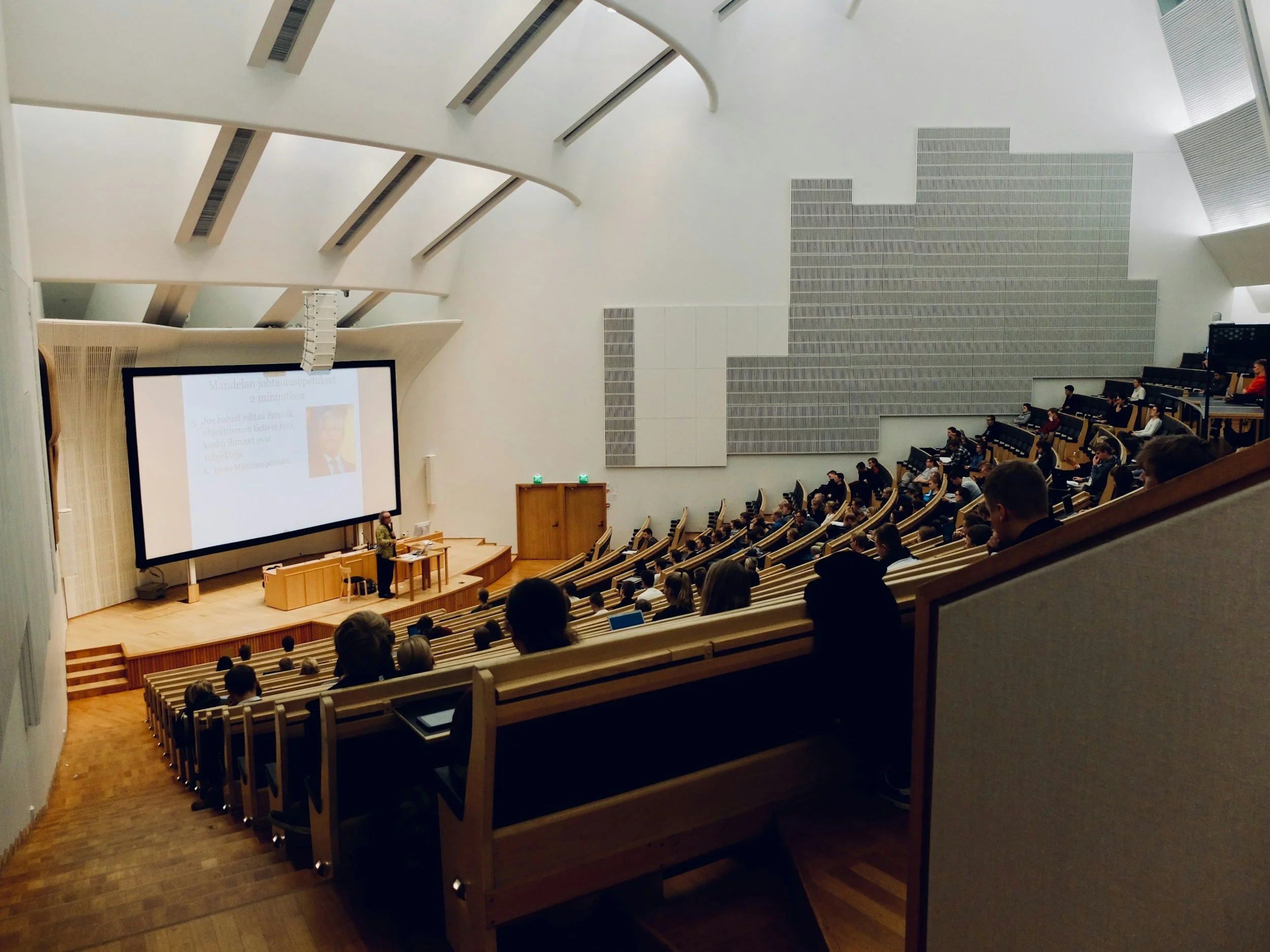
Our Core Class Topics
Our core class topics cover the most important retirement decisions facing Northwest families today, explained in straightforward, practical language.
Taxes & Social Security in Retirement
Learn how retirement income is taxed, how Social Security benefits are calculated, and how different timing choices can affect your lifetime benefit and tax bill. We cover concepts like tax brackets in retirement, provisional income, and how your mix of accounts (pre-tax, Roth, taxable) can impact both your taxes and your benefits.
Income & Portfolio Protection
Understand the difference between growth money and paycheck money, how market volatility affects withdrawals, and ways to build more predictable income streams. You will see why the same portfolio can feel very different once you start taking income, and how sequence-of-returns risk, cash reserves, and different tools can help support a steadier retirement paycheck.
Healthcare & Long-Term Care Planning
Explore the gaps Medicare leaves, common long term care cost scenarios, and the range of ways people prepare and pay for care. We discuss how Medicare works at a high level, typical out-of-pocket risks, and different approaches families use to plan for home care, assisted living, and nursing care without guessing or hoping.
Legacy & Inheritance Basics
Learn how beneficiary designations, titling, and basic legal documents work together to support the people and causes you care about. We explain the roles of wills, trusts at a high level, powers of attorney, and health directives, and how they interact with your accounts and policies so your intentions have a better chance of being carried out.

How To Attend
Most classes are held at local libraries, community centers, college campuses, or as online webinars.
You can come alone or with a spouse, partner, or adult child. Many families find it useful to attend together so everyone hears the same information at the same time.
You can find our Calendar of Events on our website or if you’re interested in hosting a class for your organization or request a class in your area, you can Contact Us.
FAQs
How much do the classes cost?
Our classes are offered at no cost to participants. They are funded through our nonprofit and community partners so there is no tuition, sales quota, or obligation to buy anything.
Will I be asked to share personal financial details?
No. The classes are taught in a classroom format using examples and case studies. You will not be asked to disclose account balances, income, or private information in front of the group.
Do I need to register in advance?
Yes, advance registration is recommended so we can manage seating and materials. You can sign up through the host location or by using the registration link provided in the invitation.
How long is each class?
Most classes run about 60 to 90 minutes, depending on the topic and venue. We keep the pace steady and focused so you are not sitting for an entire evening.
What should I bring with me?
You do not need to bring any documents or statements. Most people just bring a pen and something to write on in case they want to jot down ideas that apply to their situation.
Will there be time for questions during class?
Our classes are structured as presentations so we can cover all of the material on time. If you would like to talk about your personal situation afterward, you can request a private follow up with the instructor’s firm.
What if I already work with a financial professional?
Many attendees already have an advisor. The classes are designed to help you better understand key retirement issues and options so you can be more informed about any decisions you choose to make.
Is this a sales presentation?
The material is educational and focuses on explaining key retirement decisions in plain language. At the end of class, attendees who want more help about their personal situation can request a private follow up with the instructor’s firm, but that step is completely optional.